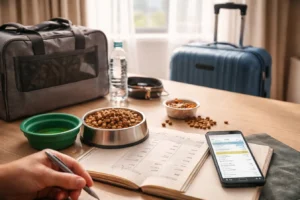
Traveling with pets can be one of life’s most enjoyable experiences, but it requires careful planning to ensure your furry companions remain safe, stress-free, and comfortable throughout the journey. Whether it’s a short drive to a nearby park or a long-distance road trip or flight, pets rely on their owners to anticipate their needs. This guide offers practical, beginner-friendly tips to keep your pets relaxed, happy, and well-cared-for while traveling.
Plan Ahead to Reduce Stress
Preparation is key to keeping pets comfortable during trips. Unexpected situations can make pets anxious, so planning in advance is essential.
- Schedule a Vet Visit: Before any journey, ensure your pet is healthy and up-to-date on vaccinations. Discuss potential travel-related concerns such as motion sickness, anxiety, or dietary adjustments with your veterinarian.
- Research Pet-Friendly Locations: Check that hotels, attractions, and parks allow pets. Knowing where your pet can rest, play, and relieve themselves will reduce stress for both of you.
- Create a Travel Checklist: Include essentials like food, water, medications, toys, bedding, and waste disposal items. Being fully prepared helps avoid last-minute emergencies.
Use the Right Travel Equipment
Choosing the right equipment can make a huge difference in your pet’s comfort.
- Crates and Carriers: A secure carrier or crate provides a familiar and safe space. Make sure it’s well-ventilated, spacious, and lined with a soft blanket.
- Seatbelts and Harnesses: If your pet will be in the car without a crate, use a pet seatbelt harness. This ensures safety and prevents unnecessary movement that could stress your pet.
- Collars and Identification: A well-fitted collar with updated ID tags, along with a microchip if possible, adds an extra layer of security in case your pet gets lost.
Keep Food and Water Accessible
Proper nutrition and hydration are vital for comfort during trips.
- Pack Familiar Food: Bring your pet’s regular food to prevent digestive issues caused by sudden dietary changes.
- Use Portable Bowls: Collapsible bowls are convenient for feeding and watering on the go.
- Timing Matters: Feed your pet at least a few hours before travel to reduce the risk of motion sickness. Offer small amounts of water during breaks rather than large quantities at once.
Make the Travel Environment Comfortable
Creating a calm, familiar environment during the journey helps pets feel secure.
- Familiar Items: Bring toys, blankets, or a favorite bed to provide scents from home. These items comfort pets and reduce anxiety.
- Control Temperature: Ensure proper ventilation in cars, trains, or airplanes. Never leave pets alone in a hot or cold vehicle.
- Minimize Loud Noises: Use a calm voice and avoid sudden loud sounds. Some owners play soft music or nature sounds to create a soothing environment.
Practice Before Long Trips
Introducing pets to travel gradually can reduce anxiety and make the trip more comfortable.
- Short Practice Runs: Begin with short drives or walks in the carrier to help your pet adapt. Reward calm behavior with treats or praise.
- Crate Familiarization: Make the crate a positive space at home before travel. Include toys, treats, and bedding to encourage your pet to associate the crate with comfort and safety.
- Gradual Exposure: If traveling by plane, familiarize your pet with airline-approved carriers and the sounds of airports. This helps reduce fear during the actual trip.
Provide Opportunities for Exercise and Breaks
Physical activity is essential to keep pets comfortable and relaxed.
- Frequent Stops: On road trips, plan regular breaks for pets to stretch, relieve themselves, and burn off energy.
- Safe Outdoor Spaces: When stopping outdoors, always use a leash or harness to prevent pets from running away.
- Interactive Play: Use toys or gentle play during breaks to help pets expend energy and reduce travel-related stress.
Manage Anxiety During Travel
Many pets experience anxiety during trips. Recognizing signs of stress and responding appropriately improves comfort.
- Watch for Stress Signals: Panting, pacing, whining, drooling, or refusal to eat may indicate discomfort.
- Familiar Scents: Bringing familiar-smelling items, such as blankets or shirts, can calm anxious pets.
- Positive Reinforcement: Offer treats and praise for calm behavior to reinforce a sense of security.
- Consider Comfort Aids: Consult your veterinarian about natural calming sprays, pheromone diffusers, or other safe travel aids for pets.
Ensure Hygiene and Health During Travel
Maintaining hygiene is essential to prevent discomfort and illness.
- Clean Bedding: Use washable bedding in crates or carriers. Regularly change it during multi-day trips.
- Waste Management: Always carry waste bags, litter, or cleaning supplies to maintain cleanliness.
- Monitor Health: Watch for signs of dehydration, vomiting, diarrhea, or unusual behavior. Early intervention ensures comfort and prevents serious issues.
Choose Pet-Friendly Accommodations
The place you stay during a trip impacts your pet’s comfort significantly.
- Check Policies in Advance: Confirm pet policies at hotels or rentals, including any fees, size restrictions, or rules regarding pets in rooms.
- Amenities for Pets: Look for accommodations with outdoor areas, pet beds, or water stations. Pets feel more comfortable in places that accommodate their needs.
- Plan Safe Rest Areas: Designate a specific area in the hotel room for your pet to rest, play, and feel secure.
Plan for Emergencies
Unexpected situations can arise during travel, and being prepared reduces stress.
- Locate Nearby Vets: Research veterinary clinics along your route or near your destination. Keep contact information accessible.
- Carry a Pet First-Aid Kit: Include items like bandages, antiseptic wipes, tweezers, and any medications your pet may need.
- Have a Travel Backup Plan: Be ready to adjust your schedule, route, or accommodations if your pet shows signs of severe stress or illness.
Conclusion
Keeping pets comfortable during trips requires preparation, patience, and attention to their needs. By planning ahead, using proper equipment, ensuring food, water, and rest, and managing stress and hygiene, you can make travel a positive experience for both you and your pet. Whether it’s a short outing or a long-distance journey, these beginner-friendly tips make traveling with pets safer, more enjoyable, and less stressful. A calm and happy pet contributes to a more relaxed and enjoyable travel experience for everyone involved.
FAQs
Q1: How can I make my pet less anxious during trips?
A: Use familiar items like blankets and toys, maintain a calm environment, practice short trips before long journeys, and use treats to reward calm behavior.
Q2: What should I pack for my pet during travel?
A: Essentials include food, water, bowls, medications, bedding, toys, waste bags, a first-aid kit, and any comfort items that smell like home.
Q3: How often should I stop for my pet during long car trips?
A: Plan breaks every 2–3 hours for stretching, bathroom relief, and hydration. Longer trips may require more frequent stops depending on your pet’s size and needs.
Q4: Can all pets travel by plane?
A: Small pets may travel in-cabin, while larger pets often go as checked baggage or cargo. Always check airline regulations and ensure your pet meets the size and health requirements.
Q5: How do I ensure my pet stays hydrated and fed during travel?
A: Feed pets lightly before travel, provide water at regular intervals, and bring their usual food to prevent digestive issues. Use collapsible bowls for convenience.