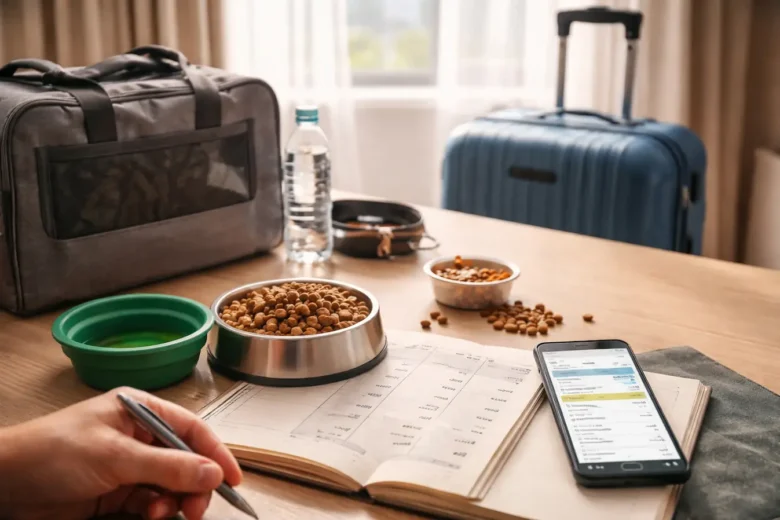
Traveling with pets always sounds exciting in theory—new places, shared experiences, and quality time together. However, one of the most underestimated challenges is maintaining a consistent feeding schedule. I learned this firsthand during a road trip when my routine-loving dog began acting restless and refused to eat at his usual time. That small disruption showed me how sensitive pets can be to changes in their environment.
Pets rely heavily on routine, especially when it comes to feeding. Their bodies and internal clocks adapt to specific meal times, and sudden changes can lead to anxiety, digestive issues, or loss of appetite. Traveling introduces unpredictability—different time zones, irregular stops, unfamiliar surroundings—all of which can interfere with feeding routines. Understanding this challenge is the first step toward managing it effectively.
Why Consistent Feeding Schedules Matter for Pets
Maintaining a consistent feeding schedule is not just about convenience; it directly impacts your pet’s physical health and emotional stability. When I began traveling more frequently with my pet, I noticed that sticking to a feeding routine helped reduce stress significantly.
Consistency helps in several ways:
- Supports healthy digestion
- Regulates energy levels throughout the day
- Prevents overeating or undereating
- Reduces anxiety caused by unpredictability
Pets thrive on predictability. Even during travel, maintaining a familiar feeding pattern helps them feel grounded in an otherwise changing environment.
Planning Feeding Schedules Before the Trip
Preparation is key when traveling with pets. Before any trip, I always take time to plan feeding schedules around the travel itinerary. This includes considering departure times, travel duration, rest stops, and arrival times.
A few steps I follow:
- Adjust feeding times slightly a few days before travel to align with the trip schedule
- Pack enough food for the entire journey, plus extra in case of delays
- Pre-portion meals into travel-friendly containers or bags
- Research pet-friendly stops or accommodations along the route
By planning ahead, you reduce the chances of last-minute disruptions that could affect your pet’s feeding routine.
Adjusting Meal Times During Travel Days
On travel days, sticking strictly to home-based feeding times isn’t always realistic. I’ve found that flexibility is necessary while still maintaining a structured approach.
Instead of feeding at exact times, I focus on maintaining intervals between meals. For example, if my pet usually eats every 8 hours, I try to preserve that gap even if the exact clock time shifts slightly.
Practical tips include:
- Feeding during rest stops on road trips
- Offering smaller, more frequent meals if travel is long
- Avoiding feeding during motion to prevent motion sickness
This balance between flexibility and consistency helps maintain routine without causing discomfort.
Keeping Feeding Times Consistent Across Time Zones
Traveling across time zones can complicate feeding schedules further. When I first experienced this, I realized that abruptly switching feeding times based on the new time zone confused my pet.
Instead of immediately adjusting to the local time, I gradually transitioned feeding times over a day or two. This helped avoid sudden disruptions in my pet’s internal rhythm.
A gradual approach works best:
- Shift feeding times by 1–2 hours at a time
- Maintain the same intervals between meals
- Observe your pet’s behavior and appetite before making further adjustments
This method allows your pet’s body to adapt naturally rather than forcing an abrupt change.
Choosing the Right Type of Food for Travel
The type of food you bring on a trip plays a major role in maintaining a smooth feeding routine. I prefer sticking to my pet’s regular diet rather than introducing new foods during travel. Sudden dietary changes can lead to digestive issues, especially in unfamiliar environments.
When selecting food for travel:
- Stick to the same brand and formula your pet is used to
- Consider dry food for convenience and storage
- Avoid introducing new treats or foods unless necessary
- Carry enough food to last the entire trip with a buffer
Keeping your pet’s diet consistent helps minimize stress and supports digestive stability.
Packing Feeding Essentials for Convenience
Over time, I’ve learned that having the right feeding tools makes travel much easier. A well-prepared feeding kit ensures you can feed your pet comfortably wherever you are.
Essential items include:
- Portable food containers
- Collapsible food and water bowls
- Measuring cups for portion control
- Clean storage bags or airtight containers
Organizing these items in a dedicated travel bag saves time and prevents last-minute scrambling. It also helps maintain hygiene and portion consistency.
Managing Feeding During Road Trips
Road trips require a slightly different approach compared to other forms of travel. Since you have more control over stops, it’s easier to maintain feeding schedules with some planning.
What works well in my experience:
- Feeding during planned breaks rather than while driving
- Offering light meals instead of heavy portions before long drives
- Ensuring your pet has access to water at regular intervals
- Avoiding feeding immediately before motion-heavy segments
This approach minimizes the risk of motion sickness and keeps your pet comfortable throughout the journey.
Handling Feeding Schedules During Air Travel
Air travel presents more constraints compared to road travel. Feeding schedules may need to be adjusted around flight timings, security procedures, and airline regulations.
My approach includes:
- Feeding my pet a few hours before the flight
- Avoiding feeding immediately before departure to prevent discomfort
- Packing a small portion of food for post-arrival feeding
- Checking airline guidelines regarding pet travel and feeding
Air travel can be stressful for pets, so maintaining a calm and predictable feeding routine before and after the flight helps ease the transition.
Maintaining Hydration Along With Feeding
Feeding schedules are closely tied to hydration. During travel, pets may become dehydrated due to changes in activity, climate, or stress. I always ensure that fresh water is available at regular intervals.
Tips to maintain hydration:
- Offer water during every rest stop
- Use portable water bottles designed for pets
- Monitor your pet’s water intake
- Avoid over-restricting water, especially in warm climates
Proper hydration supports digestion and overall well-being, especially when routines are disrupted.
Dealing With Appetite Changes While Traveling
It’s not uncommon for pets to eat less when traveling. In unfamiliar environments, some pets may feel anxious or distracted, leading to temporary appetite loss. I’ve seen this happen during hotel stays where my pet took time to adjust before resuming normal eating habits.
To manage this:
- Stick to familiar feeding times and environments as much as possible
- Provide a quiet and comfortable feeding area
- Avoid forcing your pet to eat
- Monitor appetite and behavior closely
In most cases, appetite returns once the pet becomes comfortable with the new surroundings.
Creating a Familiar Feeding Environment Anywhere
Even while traveling, creating a sense of familiarity during feeding can make a big difference. I try to replicate my pet’s home feeding environment as closely as possible.
Simple ways to do this include
- Using the same bowl your pet uses at home
- Feeding in a quiet, low-traffic area
- Keeping a consistent routine for meal preparation
- Maintaining the same feeding commands or cues
These small details help your pet associate feeding time with comfort and familiarity, regardless of location.
Handling Unexpected Delays and Schedule Disruptions
Travel rarely goes exactly as planned. Delays, traffic, or changes in itinerary can disrupt feeding schedules. Over time, I’ve learned to prepare for these situations by building flexibility into the routine.
What helps in unexpected situations:
- Carrying extra food for delays
- Keeping snacks or small portions on hand
- Feeding slightly earlier or later without stress
- Maintaining calm behavior to reassure your pet
Being adaptable while maintaining structure ensures your pet’s needs are still met even when plans change.
Monitoring Your Pet’s Health During Travel
Feeding schedules are closely linked to your pet’s overall health during travel. Monitoring their behavior, energy levels, and digestion helps you understand how well they are adapting.
Watch for:
- Changes in appetite
- Signs of digestive discomfort
- Unusual lethargy or hyperactivity
- Changes in stool consistency
If any persistent issues arise, adjusting the feeding routine or consulting a veterinarian may be necessary. Staying observant ensures that small issues don’t turn into bigger problems.
Returning to Normal Feeding Routine After Travel
Once the trip is over, it’s important to transition back to the regular feeding schedule gradually. I usually return to the home routine within a day or two after arriving back.
Steps I follow:
- Reintroduce original feeding times gradually
- Maintain consistent meal portions
- Observe how quickly my pet readjusts
- Reinforce routine with predictable daily patterns
This helps your pet settle back into their normal environment without confusion or stress.
Conclusion
Managing feeding schedules while traveling with pets requires a balance of planning, flexibility, and consistency. While travel introduces unpredictability, maintaining a familiar routine helps pets feel secure and reduces stress. By preparing in advance, adjusting meal times thoughtfully, maintaining hydration, and creating a familiar feeding environment, you can ensure your pet stays healthy and comfortable throughout the journey. Over time, with experience and careful observation, handling feeding schedules during travel becomes a smooth and manageable part of pet ownership.
FAQs
1. How often should I feed my pet while traveling?
You should aim to maintain the same feeding intervals your pet follows at home. If exact times aren’t possible, focus on consistent gaps between meals.
2. Should I change my pet’s diet during travel?
It’s best to stick to the same food your pet is used to. Changing diets during travel can cause digestive issues or refusal to eat.
3. What if my pet refuses to eat while traveling?
This can happen due to stress or unfamiliar surroundings. Try creating a quiet feeding space and maintaining a routine. Appetite usually returns once your pet adjusts.
4. How do I manage feeding during long road trips?
Plan feeding during rest stops, offer smaller meals, and avoid feeding while the vehicle is moving to prevent motion sickness.
5. Can I feed my pet right before a flight?
It’s recommended to feed your pet a few hours before the flight rather than immediately before departure to avoid discomfort during travel.