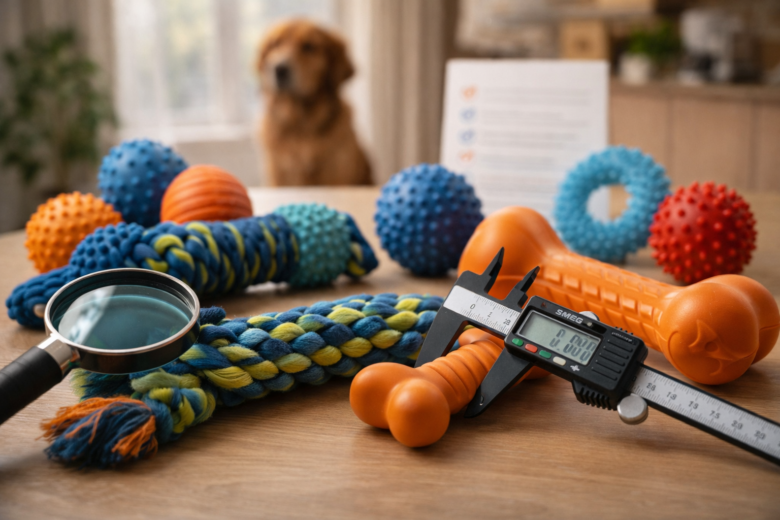
I still remember buying my first set of pet toys with excitement, only to find them shredded within a few days. At the time, I assumed it was normal, but over time I realized that choosing the right toys makes a huge difference not just in durability but also in safety and cost-effectiveness. Durable pet toys are not just about saving money—they also reduce the risk of choking hazards, prevent ingestion of broken pieces, and provide consistent engagement for your pet.
Pets, especially dogs and active cats, have different play styles. Some love to chew aggressively, others prefer chasing or pawing. Selecting toys that match these behaviors while also being built to last is essential for both mental stimulation and physical safety.
Observing Your Pet’s Play Style Before Buying Toys
Before choosing any toy, it’s important to understand how your pet interacts with objects. I made the mistake of buying toys based on appearance rather than behavior, which led to quick wear and tear.
Pets typically fall into a few play categories:
- Aggressive chewers who bite and tear toys frequently
- Gentle players who carry or nudge toys without much force
- Interactive players who enjoy fetch, tug, or puzzle-based activities
Observing your pet during play sessions helps you identify patterns. For example, if your dog tends to destroy soft toys quickly, it’s a clear sign that you need stronger, more resilient materials. Matching the toy to the play style is the first step toward durability.
Choosing the Right Material for Long-Lasting Toys
The material of a toy plays the most critical role in its durability. Over time, I’ve found that not all materials are created equal, especially when exposed to repeated chewing or rough play.
Common durable materials include:
- Rubber: Flexible, strong, and resistant to tearing
- Nylon: Hard and suitable for aggressive chewers
- Silicone: Durable and often used in treat-dispensing toys
- Thick rope fibers: Good for tug toys but should be tightly woven
Avoid toys made from thin plastic or low-quality fabric if your pet is an active chewer. High-quality materials not only last longer but also maintain their structural integrity even after repeated use.
Checking for Build Quality and Construction
Durability isn’t just about material—it’s also about how the toy is constructed. I’ve seen toys made of strong materials fail due to weak stitching or poor assembly.
When evaluating build quality, look for:
- Reinforced seams in fabric toys
- Solid, single-piece construction in rubber toys
- Securely attached parts (eyes, ears, or accessories)
- No loose threads or weak joints
Well-constructed toys distribute pressure evenly during chewing or pulling, reducing the chances of early damage.
Selecting Toys Based on Size and Breed
Choosing the correct size is crucial for durability and safety. A toy that is too small can be easily destroyed or swallowed, while one that is too large may discourage play. I learned this after buying a toy that was too small for my dog, which he dismantled within minutes.
Guidelines to consider:
- Small breeds: Smaller but still sturdy toys designed for lighter jaws
- Medium to large breeds: Larger toys made with reinforced materials
- Aggressive chewers: Oversized and heavy-duty toys
Always check manufacturer recommendations for size and breed compatibility before purchasing.
Understanding Chew Resistance Ratings
Many durable pet toys come with chew resistance ratings, often labeled as light, moderate, or aggressive chewers. These ratings help guide your selection based on your pet’s behavior.
For example:
- Light chewers may be satisfied with softer rubber toys
- Moderate chewers require reinforced materials
- Aggressive chewers need heavy-duty, industrial-grade toys
Matching the toy’s resistance level to your pet’s chewing strength significantly increases longevity.
Avoiding Toys with Weak Points
Some toys fail quickly due to structural weak points. I’ve noticed that toys with thin attachments, hollow sections, or glued parts tend to break more easily.
Be cautious of:
- Toys with detachable small components
- Toys with glued rather than molded parts
- Thin edges or hollow interiors without reinforcement
Toys designed with uniform structure and minimal weak points tend to last longer under pressure.
Choosing Toys with Multi-Layer Construction
Multi-layer toys are designed to withstand more wear and tear. These toys often feature an outer protective layer with an inner core that adds strength and resilience.
Benefits of multi-layer toys include:
- Increased resistance to punctures
- Longer lifespan under repeated use
- Better shock absorption during chewing or pulling
I’ve found that layered toys are particularly effective for dogs that love to chew aggressively or engage in tug-of-war games.
Considering Interactive and Puzzle Toys for Longevity
Durability isn’t just about physical strength—it also relates to how long a toy remains engaging. Interactive and puzzle toys tend to last longer in terms of usefulness because they keep pets mentally stimulated.
Examples include:
- Treat-dispensing toys
- Puzzle feeders
- Toys that require problem-solving to access rewards
These toys reduce boredom, which in turn reduces destructive behavior. When pets are mentally engaged, they are less likely to focus on destroying their toys.
Evaluating Brand Reputation and Reviews
Before buying any pet toy, I always check reviews and brand reputation. Experienced pet owners often share valuable insights about durability that aren’t obvious from product descriptions.
When reviewing feedback, look for:
- Comments about long-term durability
- Feedback from owners with similar pets
- Mentions of wear and tear over time
- Honest comparisons between products
Trusted brands tend to invest more in quality materials and testing, which often translates into longer-lasting toys.
Testing Toys Safely at Home
Once you purchase a toy, it’s important to test it under supervision before allowing unsupervised play. I usually observe how my pet interacts with a new toy during the first few sessions.
During this testing phase:
- Watch for early signs of damage
- Check if the toy withstands normal play
- Ensure no small parts come loose
- Monitor your pet’s behavior and chewing intensity
If a toy shows signs of weakness early on, it’s better to replace it before it becomes a hazard.
Rotating Toys to Extend Their Lifespan
One strategy that has worked well for me is rotating toys regularly. Instead of giving all toys at once, I keep some stored and rotate them every few days.
Benefits of toy rotation include:
- Reduced overuse of a single toy
- Increased interest due to novelty
- Longer overall lifespan of each toy
- Better mental stimulation for your pet
Pets often treat rotated toys as new, which keeps them engaged without excessive wear.
Cleaning and Maintaining Pet Toys Properly
Proper maintenance can significantly extend the life of pet toys. Dirt, saliva, and debris can weaken materials over time, so regular cleaning is essential.
Maintenance tips include:
- Washing rubber and plastic toys with mild soap and water
- Air drying thoroughly to prevent mold
- Inspecting toys regularly for damage
- Replacing toys that show signs of wear
Keeping toys clean also helps maintain hygiene and prevents the buildup of bacteria.
Matching Toys to Indoor and Outdoor Use
The environment in which a toy is used also affects its durability. Outdoor toys are generally exposed to more dirt, moisture, and rough surfaces, so they should be more rugged compared to indoor toys.
For outdoor use:
- Choose weather-resistant materials
- Avoid delicate fabrics
- Opt for heavier-duty construction
For indoor use:
- Softer toys may be acceptable
- Focus on comfort and engagement
- Ensure the toy does not damage furniture or floors
Using the right toy in the right environment helps preserve its condition.
Recognizing When to Replace a Toy
Even the most durable toys have a lifespan. Knowing when to replace them is just as important as selecting them. I’ve learned to look for subtle signs of wear before they become problematic.
Replace toys if you notice:
- Visible cracks or tears
- Loose parts or stuffing coming out
- Sharp edges or broken pieces
- Reduced structural integrity
Regular inspection ensures your pet remains safe during playtime.
Balancing Cost and Quality
Durable toys may cost more initially, but they often provide better long-term value. I used to buy cheaper toys frequently, only to replace them repeatedly. Over time, investing in higher-quality toys turned out to be more economical.
When evaluating cost:
- Consider lifespan rather than upfront price
- Compare durability across brands
- Look for warranties or guarantees if available
A slightly higher investment in quality often results in fewer replacements and better safety.
Building a Long-Term Toy Strategy for Your Pet
Selecting durable toys isn’t a one-time task—it’s an ongoing process. As your pet grows or their behavior changes, their toy needs may also evolve. I’ve adjusted my approach over time by observing preferences and replacing toys accordingly.
A long-term strategy includes:
- Regularly assessing toy condition
- Updating toys based on behavior changes
- Introducing new types of toys for variety
- Maintaining a balanced mix of chew, interactive, and comfort toys
This approach ensures your pet remains engaged while minimizing waste and frequent replacements.
Conclusion
Choosing durable pet toys requires a thoughtful approach that considers your pet’s behavior, the material and construction of the toy, and how it will be used over time. By focusing on quality materials, proper sizing, strong construction, and regular maintenance, you can significantly extend the lifespan of your pet’s toys. Observing your pet’s play style and rotating toys strategically also helps maintain engagement while reducing wear and tear. Ultimately, investing in durable toys not only saves money but also enhances your pet’s safety, comfort, and overall well-being.
FAQs
1. What materials are best for durable pet toys?
Rubber, nylon, silicone, and tightly woven rope are some of the most durable materials suitable for pets, especially for chewers.
2. How do I know if a toy is safe for my pet?
Check for strong construction, non-toxic materials, appropriate size, and absence of small detachable parts that could pose choking hazards.
3. How often should I replace pet toys?
Replace toys when you notice visible damage such as tears, cracks, or loose parts, or when they no longer maintain structural integrity.
4. Are expensive pet toys always more durable?
Not always, but higher-quality toys from reputable brands often use better materials and construction methods, which can improve durability.
5. How can I make pet toys last longer?
Rotate toys regularly, clean them properly, supervise playtime, and store them when not in use to reduce constant wear.