
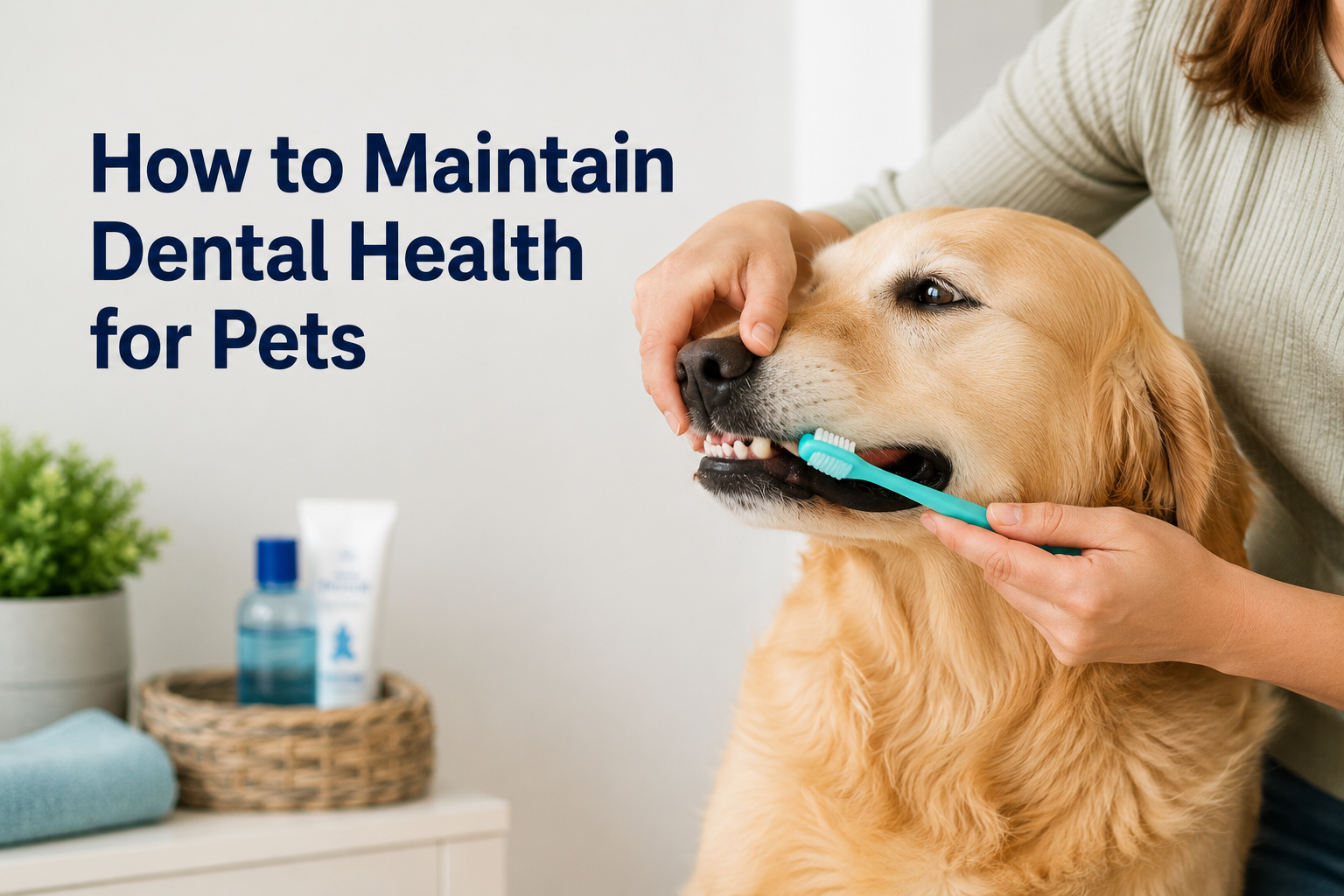
My vet handed me a pamphlet during Cooper’s second annual checkup. It had a picture of a smiling golden retriever on the front and the words “Dental Health Matters” in bold blue letters. I folded it into my pocket, smiled politely, and forgot about it for six months. Then Cooper yawned one evening while we were watching TV, and I saw it: a thin brown line tracing the gumline of his back molars, and the faint sour smell that drifted across the couch. I pulled that pamphlet back out that same night.
Moochi’s dental story started differently. My sister noticed her dropping kibble from one side of her mouth, shaking her head after eating, and leaving food in the bowl she’d normally finish. Cats are masters at hiding pain, so by the time you see behavioral changes, the problem has usually been brewing for a while. A vet visit confirmed stage-two periodontal disease. Moochi was four years old. My sister had never brushed her teeth once.
Neither of us were negligent pet owners. We fed quality food, kept up with vaccines, exercised them regularly. But dental care? It felt like an optional extra, something you worried about when your pet got old. The reality is that dental disease is the most common health problem in dogs and cats, affecting over 80% of pets over age three. It’s not cosmetic. It causes chronic pain, systemic infection, organ damage, and shortened lifespans. And the worst part? It’s almost entirely preventable with a routine that takes less time than scrolling through your phone.
Why Pet Dental Disease Is So Much Worse Than It Looks
Here’s what I didn’t understand until Cooper’s vet sat me down with a model of a dog’s jaw: dental disease doesn’t stay in the mouth. Bacteria from infected gums enter the bloodstream and travel to the heart, kidneys, and liver. The inflammation from periodontal disease is linked to endocarditis, kidney dysfunction, and diabetes complications. A pet with bad teeth isn’t just a pet with bad breath. They’re a pet with a compromised immune system slowly being poisoned from the inside.
The progression is predictable and brutal. It starts with plaque, a soft film of bacteria that forms within hours of eating. If plaque isn’t removed, it mineralizes into tartar within 48 to 72 hours. Tartar traps more bacteria against the gumline, causing gingivitis — inflammation, redness, and bleeding. Left untreated, gingivitis advances to periodontitis, where the structures supporting the teeth break down. Teeth become loose, roots abscess, and the only solution is extraction.
Cooper was at the plaque-and-early-tartar stage when I caught it. Moochi was further along, with gingivitis and early bone loss around one premolar. Both needed professional cleanings, but Cooper’s was straightforward. Moochi’s required extraction of that damaged tooth. The difference was six months of neglect versus four years. Time matters enormously in dental health.
What Professional Dental Care Actually Involves
Before I get into home care, I want to be clear about what professional cleanings do and why they’re non-negotiable. No amount of home brushing removes tartar that’s already hardened. Once tartar forms, it needs ultrasonic scaling under anesthesia. There’s no safe way to do this awake. The scaling, polishing, and full oral examination (including dental x-rays to check below the gumline) require a pet to be completely still and pain-free.
Cooper’s first professional cleaning cost $380. That included pre-anesthetic bloodwork, anesthesia, scaling, polishing, fluoride treatment, and a full mouth x-ray series. They found one tooth with early root exposure that they monitored rather than extracted. The whole process took about 90 minutes. He was groggy that evening, back to normal by morning, and his breath smelled like nothing for the first time in months.
Moochi’s cleaning was $520 because it included the extraction of that damaged premolar, plus antibiotics and pain medication. She needed a soft-food diet for ten days while the socket healed. My sister felt guilty about the cost until the vet showed her the x-rays — the bone around that tooth was dissolving. Left alone, it would have abscessed within months.
How often your pet needs professional cleaning depends on breed, age, diet, and home care consistency. Cooper now goes every 18 months. Moochi goes annually because she’s already had one extraction and is at higher risk for recurrence. Your vet will recommend a schedule based on oral exams during regular checkups.
Home Brushing: The Gold Standard Nobody Wants to Do
I won’t pretend brushing Cooper’s teeth is my favorite part of the day. It’s not. But it’s also not the wrestling match I expected. The key is starting slow, using the right products, and building it into a routine your pet accepts rather than dreads.
The right toothpaste: Human toothpaste contains fluoride and foaming agents that are toxic to pets. Xylitol, a common sweetener in human dental products, is deadly to dogs even in small amounts. You need enzymatic pet toothpaste, which comes in flavors like poultry, beef, and seafood. Cooper gets poultry flavor. Moochi gets seafood. Both think it’s a treat.
The right brush: I use a soft-bristled finger brush for Cooper because his mouth is large and cooperative. For Moochi, my sister uses a small cat-specific brush with a tiny head. Some people use gauze wrapped around a finger. The tool matters less than the consistency. What matters is reaching the outer surfaces of the teeth, especially the back molars where plaque accumulates most.
The technique: Lift the lip, brush in gentle circular motions along the gumline, focus on the outside surfaces (pets’ tongues clean the inside reasonably well), and keep sessions short. Cooper gets about 45 seconds. Moochi gets about 30. I don’t worry about perfection. I worry about frequency. A quick, imperfect brush three times a week beats a thorough brush once a month.
| Pet | Frequency | Duration | Toothpaste Flavor | Brush Type |
|---|---|---|---|---|
| Cooper (Golden Retriever) | 3-4 times per week | 45 seconds | Poultry | Finger brush |
| Moochi (Domestic Shorthair) | 2-3 times per week | 30 seconds | Seafood | Small cat brush |
Getting a pet comfortable with brushing takes patience. I started Cooper by letting him lick poultry toothpaste off my finger for a week. Then I touched his lips and teeth with my finger for another week. Then I introduced the brush with toothpaste for just a few seconds. By week four, he tolerated full sessions without resistance. The entire process took a month, but now he associates toothbrush time with treats and attention.
Moochi was harder. Cats are less forgiving of handling. My sister started during evening cuddle time, when Moochi was relaxed. She’d gently lift a lip, give a treat, and stop. Gradually she added the brush, then toothpaste, then brief brushing motions. It took six weeks, and Moochi still tolerates rather than enjoys it. But she tolerates it, which is enough.
What Works When Brushing Isn’t Happening
I’ll be honest: there are weeks when I only brush Cooper once. Life gets busy, he seems resistant, I forget. Moochi’s brushing is even more inconsistent because my sister travels for work. So I’ve built a backup system of dental care products that help bridge the gap between ideal and reality.
Dental chews and treats: Cooper gets a dental chew every evening after his walk. Not a rawhide (choking risk, digestive issues) but a VOHC-approved dental chew. VOHC stands for Veterinary Oral Health Council, and their seal means the product has been tested and proven to reduce plaque and tartar. I rotate between two brands to keep him interested. These aren’t a substitute for brushing, but they help.
Water additives: I was skeptical about these. The idea of adding something to Cooper’s water to clean his teeth sounded like marketing fluff. But my vet recommended one with zinc ascorbate, which inhibits bacterial growth. I’ve used it consistently for a year, and Cooper’s plaque buildup between professional cleanings has been noticeably less. It’s not magic. It’s one layer of a multi-layer approach.
Dental wipes: For days when brushing feels impossible, I use a dental wipe on Cooper’s teeth. It takes 20 seconds and removes surface plaque. It’s less effective than brushing but better than nothing. I haven’t found a wipe Moochi tolerates, so this is Cooper-only.
Dental diets: Some prescription diets are formulated with larger kibble size and specific textures that mechanically clean teeth as the pet chews. Cooper eats a regular high-quality kibble, but I supplement with a dental-specific treat a few times per week. Moochi’s vet recommended a dental diet after her extraction, which she eats exclusively. The difference in her oral health at her last checkup was visible.
What I don’t use: Antlers, bones, and hard chews. These fracture teeth. I’ve seen too many horror stories of dogs cracking molars on antlers, requiring emergency extractions. The risk isn’t worth the minimal dental benefit. Stick to products designed for dental health, not natural items that happen to be hard.
Signs Your Pet Needs a Vet Check (Not Just Better Home Care)
Home care prevents problems. It doesn’t fix problems that already exist. Knowing when to stop managing at home and call the vet is critical. These are the signs I watch for:
- Bad breath that persists despite brushing and dental chews
- Red, swollen, or bleeding gums
- Yellow or brown tartar buildup, especially along the gumline
- Drooling more than usual, or drool that is blood-tinged
- Pawing at the mouth or face
- Dropping food, chewing on one side, or avoiding hard food
- Loose or missing teeth
- Swelling around the muzzle or under the eye (possible tooth root abscess)
- Weight loss or decreased appetite without other explanation
- Behavioral changes: irritability, withdrawal, reduced play interest
Cooper had the bad breath and early tartar. Moochi had the dropping food, head shaking, and one-sided eating. Both needed professional intervention. The difference was that Cooper’s problem was caught early enough for a routine cleaning. Moochi’s required surgery. Early detection saves money, pain, and teeth.
The Cost of Neglect vs. The Cost of Prevention
I want to address the financial reality because it’s what stops a lot of people from pursuing dental care. Professional cleanings aren’t cheap. Neither are extractions. But the cost of prevention is a fraction of the cost of treating advanced disease.
| Care Type | Cooper’s Costs (Annual) | Moochi’s Costs (Annual) |
|---|---|---|
| Toothpaste and brushes | $18 | $14 |
| Dental chews/treats | $120 | $85 |
| Water additive | $35 | $0 (doesn’t tolerate) |
| Professional cleaning | $380 (every 18 months, so ~$253/year) | $320 (annual) |
| Total annual prevention cost | ~$426 | ~$419 |
| Extraction surgery (Moochi’s actual cost) | N/A | $520 (one-time, but risk of more) |
| Advanced periodontal disease treatment | $800-$2,000+ | $800-$2,000+ |
Those advanced disease costs aren’t hypothetical. They’re what you pay when multiple extractions, antibiotics, pain management, and follow-up care stack up. Plus the cost of treating the systemic infections that dental disease causes. Prevention isn’t just cheaper. It’s infinitely kinder to the animal.
Starting From Scratch: A Realistic Plan
If you’re reading this and realizing you’ve never looked in your pet’s mouth, don’t panic. I was there. Here’s what I’d do if I were starting over with what I know now:
Week 1: Schedule a vet appointment for a dental exam. Don’t wait for symptoms. Ask for an oral health assessment, and if your vet recommends a professional cleaning, book it. This is your baseline.
Week 2-3: While waiting for the cleaning, start the introduction process. Let your pet lick toothpaste off your finger. Touch their lips and muzzle. No brushing yet. Just positive associations.
Week 4: After the professional cleaning (if needed), start actual brushing. Keep sessions under a minute. Focus on the outer surfaces of the back teeth. Reward heavily. Don’t worry about perfection.
Month 2-3: Build consistency. Aim for three brushing sessions per week. Add dental chews or a water additive as backup. Monitor your pet’s breath and gum color.
Ongoing: Brush as consistently as life allows. Schedule professional cleanings based on your vet’s recommendation. Check your pet’s mouth monthly during regular grooming. Adjust products based on what works for your specific animal.
The goal isn’t perfection. The goal is progress. Cooper’s teeth aren’t pristine. But they’re clean, his gums are pink and healthy, and his breath doesn’t make me recoil. Moochi will always need more careful monitoring because of her history, but she’s stable, pain-free, and eating normally. That’s the win.
Frequently Asked Questions
How often should I really brush my pet’s teeth?
Ideally daily. Realistically, three to four times per week is a solid goal that produces measurable benefits. Less than twice a week and you’re not making meaningful progress. More than four times and you’re in excellent territory. Find your sustainable frequency and stick to it.
Can I use human toothpaste if I run out of pet toothpaste?
Absolutely not. Human toothpaste contains ingredients that are toxic to pets, including fluoride, xylitol, and sodium lauryl sulfate. Xylitol can cause fatal hypoglycemia and liver failure in dogs. Even a small amount is dangerous. Keep pet toothpaste stocked and never substitute.
My pet hates having their mouth touched. What should I do?
Go slower than you think necessary. Spend two weeks just touching the muzzle. Another week lifting the lip. Another week introducing the brush without paste. Use high-value rewards. If your pet shows genuine fear (not just mild resistance), consult a veterinary behaviorist. Forcing dental care on a terrified animal creates trauma that makes future care impossible.
Are dental chews enough on their own?
No. VOHC-approved dental chews reduce plaque and tartar, but they don’t clean along the gumline as effectively as brushing. Think of chews as supplemental, not primary care. They’re the dental floss to your toothbrush — helpful, but not a replacement.
Do cats need dental care too, or is this mostly a dog thing?
Cats absolutely need dental care. Periodontal disease is extremely common in cats, and they also suffer from tooth resorption, a painful condition where the tooth structure breaks down. Because cats hide pain so effectively, regular dental exams are even more critical. Moochi’s experience taught my sister that lesson the expensive way.
Is anesthesia for dental cleanings safe?
Modern veterinary anesthesia is very safe, especially with pre-anesthetic bloodwork and monitoring. The risk of anesthesia complications in healthy pets is extremely low. The risk of leaving dental disease untreated is high. For pets with significant health issues, your vet will discuss risks and alternatives. But for most pets, the benefits of a thorough cleaning under anesthesia far outweigh the minimal risks.
Related Articles
Dental health connects to almost every aspect of pet care. These articles from our site explore the areas that overlap with what we’ve covered here:
- Easy Grooming Tips for Dogs and Cats — Dental checks should be part of your regular grooming routine. This covers how to examine your pet’s mouth during brushing sessions and what to look for.
- How to Recognize Signs of Pet Stress — Dental pain is a hidden source of stress and behavioral changes. This article helps you distinguish between dental discomfort and other forms of anxiety.
- How I Monitor Pet Energy Levels for Early Health Signs — Reduced energy from chronic dental pain often shows up before obvious mouth symptoms. This is the tracking system I use to catch health issues early.
- How I Switched My Dog to a Raw Diet and What Happened — Diet affects dental health significantly. This covers Cooper’s dietary transition and how it impacted his oral condition.
- How to Keep Your Pet Hydrated Daily — Proper hydration supports gum health and saliva production, both important for natural oral defense against bacteria.
- What My Vet Taught Me About Pet Vaccination Schedules — Regular vet visits are when dental exams happen. This covers how to structure your pet’s healthcare schedule so nothing falls through the cracks.
- Creating a Safe Indoor Environment for Senior Pets at Home — Older pets face accelerated dental decline. This covers environmental and care adjustments for aging animals with dental sensitivities.
- The Real Cost of Pet Ownership: My First Year Breakdown — Dental care is a significant but often overlooked expense. This article includes dental costs in the overall financial picture of responsible pet ownership.
- How I Handle Seasonal Allergies in My Dog Every Spring — Allergies can cause gum inflammation and oral discomfort. This covers how Cooper’s seasonal issues intersect with his dental health.
- How I Correct Small Bad Habits in Pets Without Stress — If your pet resists dental care, these positive reinforcement techniques can help you build acceptance without creating fear or anxiety.
Sources and References
- American Veterinary Dental College. “Pet Dental Care.” https://www.avdc.org/careforanimalteeth.html
- Veterinary Oral Health Council. “Accepted Products for Dogs and Cats.” https://vohc.org/accepted-products/
- American Veterinary Medical Association. “Dental Health for Pets.” https://www.avma.org/resources/pet-owners/petcare/dental-health-pets
- Cornell University College of Veterinary Medicine. “Feline Dental Disease.” https://www.vet.cornell.edu/departments-centers-and-institutes/cornell-feline-health-center/health-information/feline-health-topics/dental-disease
- PetMD. “Dental Disease in Dogs: Symptoms, Causes, and Treatment.” https://www.petmd.com/dog/conditions/mouth/c_dg_periodontal_disease
- VCA Animal Hospitals. “Dental Disease in Dogs.” https://vcahospitals.com/know-your-pet/dental-disease-in-dogs
- The Spruce Pets. “How to Brush Your Dog’s Teeth.” https://www.thesprucepets.com/brush-your-dogs-teeth-1118610
- American Kennel Club. “Dog Dental Care: How to Clean Your Dog’s Teeth.” https://www.akc.org/expert-advice/health/how-to-clean-your-dogs-teeth/
- International Cat Care. “Feline Dental Disease.” https://icatcare.org/advice/feline-dental-disease/
The information in this article is based on personal experience caring for Cooper (Golden Retriever) and Moochi (domestic short-haired cat), supplemented by veterinary guidance and peer-reviewed veterinary sources. Always consult your veterinarian before starting any dental care regimen, and seek professional treatment for established dental disease rather than attempting to manage it at home.

Daniel Maxfield is a pet care writer focused on practical guidance for modern pet owners. He covers pet wellness, grooming, behavior, travel routines, and everyday care habits for dogs and cats. Through reader-focused educational content, Daniel shares simple and accessible tips designed to support healthier, safer, and more organized daily life with pets.